
Conflict between public interest and sales redefines the course of journalism
Editorial decisions give way to commercial logic and the appeal to the target audience.
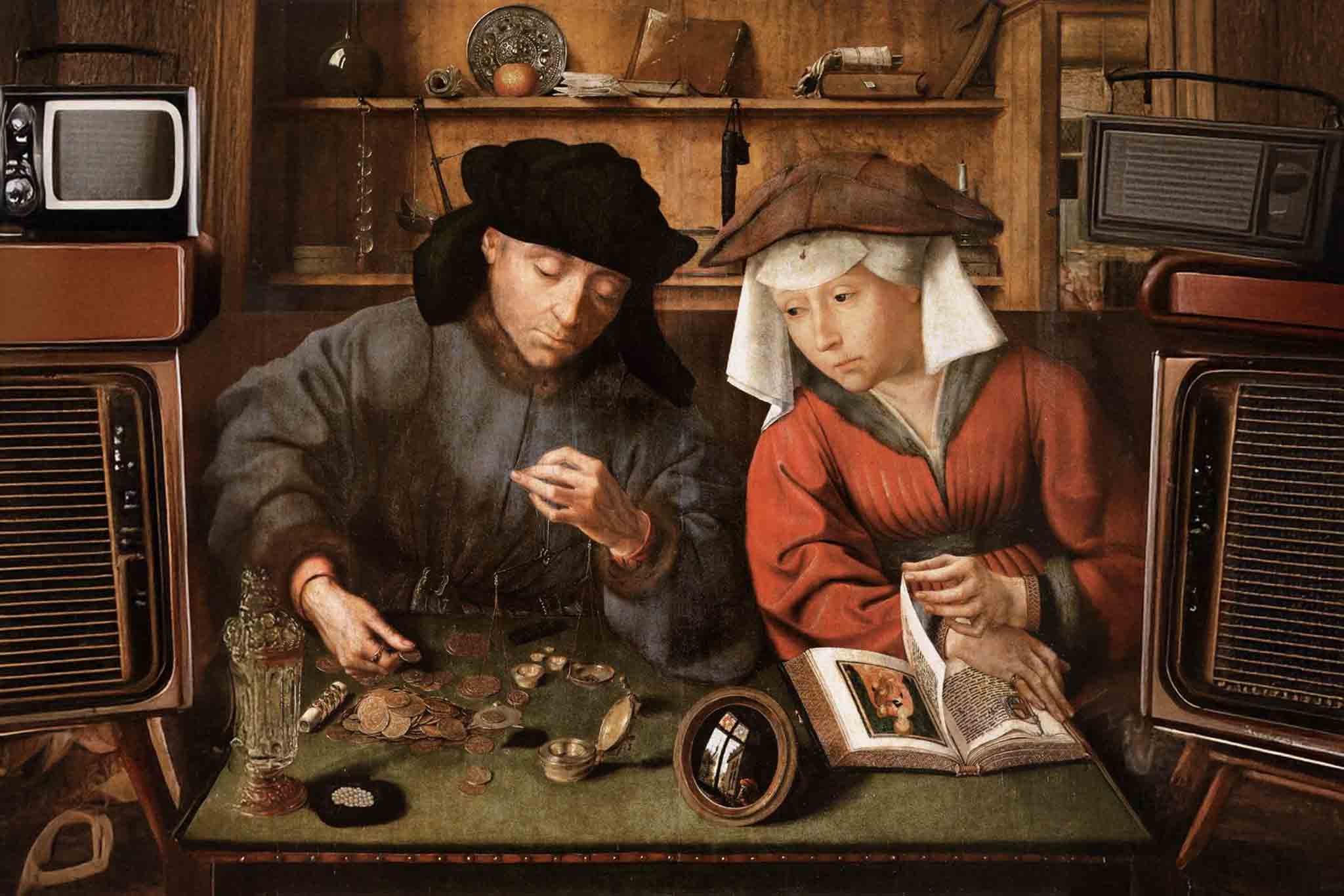
The founding canon of Brazilian radio and television is a jumble of decrees and laws written over almost 70 years. Read with optimism, that body of law gives journalism a role almost as important as that of the industry’s owners. In 1941 the iconic Repórter Esso went on the air and established itself as the country’s main newscast — a kind of forerunner of Jornal Nacional.
Repórter what? Esso. The newscast was a product of Standard Oil Company of Brazil and repeated in Brazil a pattern already implemented in other countries (15 of them): the McCann-Erickson advertising agency supervised content produced by United Press Associations (today United Press International, one of the ugliest news sites in the world).
It is as if Jornal Nacional were called Nubank News and its editorial guidelines followed the orders of the sales department. That is, except for the explicit name, nothing has changed. Or, rather, it has changed a little, yes.
Back in ’64, then Justice Minister Juracy Magalhães sent O Globo’s editor-in-chief, Roberto Marinho, a list of names banned from the news. Marinho replied: “Minister, you do one thing: you take care of your communists, and I’ll take care of mine.” One of the most precious talents of competent newsrooms is their closeness to disobedience — and of course that is a callus on the soul’s backside for any authoritarian.
The tension between the commercial department and the newsroom sets the everyday tone of the reasons journalists work. Once, on radio, an advertiser suggested a lead story about the opening of an exhibit of dinosaur replicas. I went. I reported what I saw, interviewed the owner, but the agency did not like it and asked for my head before I got back to the newsroom. The agency was put on ice and stayed six months off the air, except for the paid spots in the breaks.
This way of working, however, seems more and more historical. An artifact of a glorious past in which owners of news companies defended their reporters to the last consequence. At that same station where I was defended, our director was fired at the request of Paraná state legislators who were offended at being compared to chicken thieves (they had approved, in the dead of night, a way to make more money).
The contamination of journalism by money caught every station owner and journalist by surprise. It is an old subject that internet ads drastically reduced the amount of cash that once circulated on television. But the internet brought something more: the possibility that those digital ads are seen and clicked more when inserted in stories that appeal to the public.
Unlike a journalism limited by a spatial window — the television screen — and by a temporal window — the length of the newscast —, in which news selection was supposed to prioritize the most important matters and, in its measure, inform even against the audience’s taste, today what matters is the customer’s taste.
If the commercial department imposes itself on journalism, as it in fact does, the public must be pampered as much as possible, so that it buys more, so that sales success returns to the station in new contracts. The price imposed on journalism costs journalism everything. All this hit broadcasting hard.
In Paraná, the most-watched lunchtime newscast looks like Escolinha do Professor Raimundo (a Brazilian TV comedy sketch show set in a classroom). Do not dare say, in its defense, that this is a feature of the time slot. Right next door, in Santa Catarina, nothing so ridiculous is done, let alone in São Paulo. Not to mention the morning newscast, in which, as I will repeat until it sinks in, the anchor reported that the sun rose in Cascavel.


Comments
The conversation takes place on the Lab Digital 2050 forum. Read the comments below and click “Reply” to join in.