
Democracy requires voters to be susceptible to the sadness of the social
Psychoanalysis explains that electoral involvement depends on individuals’ capacity to cope with collective suffering.

The word democracy appears every other day in the news, and often comes with the reality check that it is something problematic. We agree with the visibility of the subject, as well as with the reinforcement that “it is the best model among all political models, which, including democracy, are bad.”
When we research political communication in Brazil, we are attentive to the need to create opportunities for voters to join public debate, with the apex of that integration being the vote cast in the ballot box. For that to be possible, the Legislature must first guarantee a minimum degree of trust in the democratic process.
But investment in money is also necessary. That is, the airing of state campaigns — from party broadcasts to electoral court ads — requires cutting-edge research, media production capable of moving Brazilians, and all this costs a good deal of money. But the results show. The abstention rate in the second round of the 2022 presidential election was 20.95%, the lowest in 16 years.
A reason not to
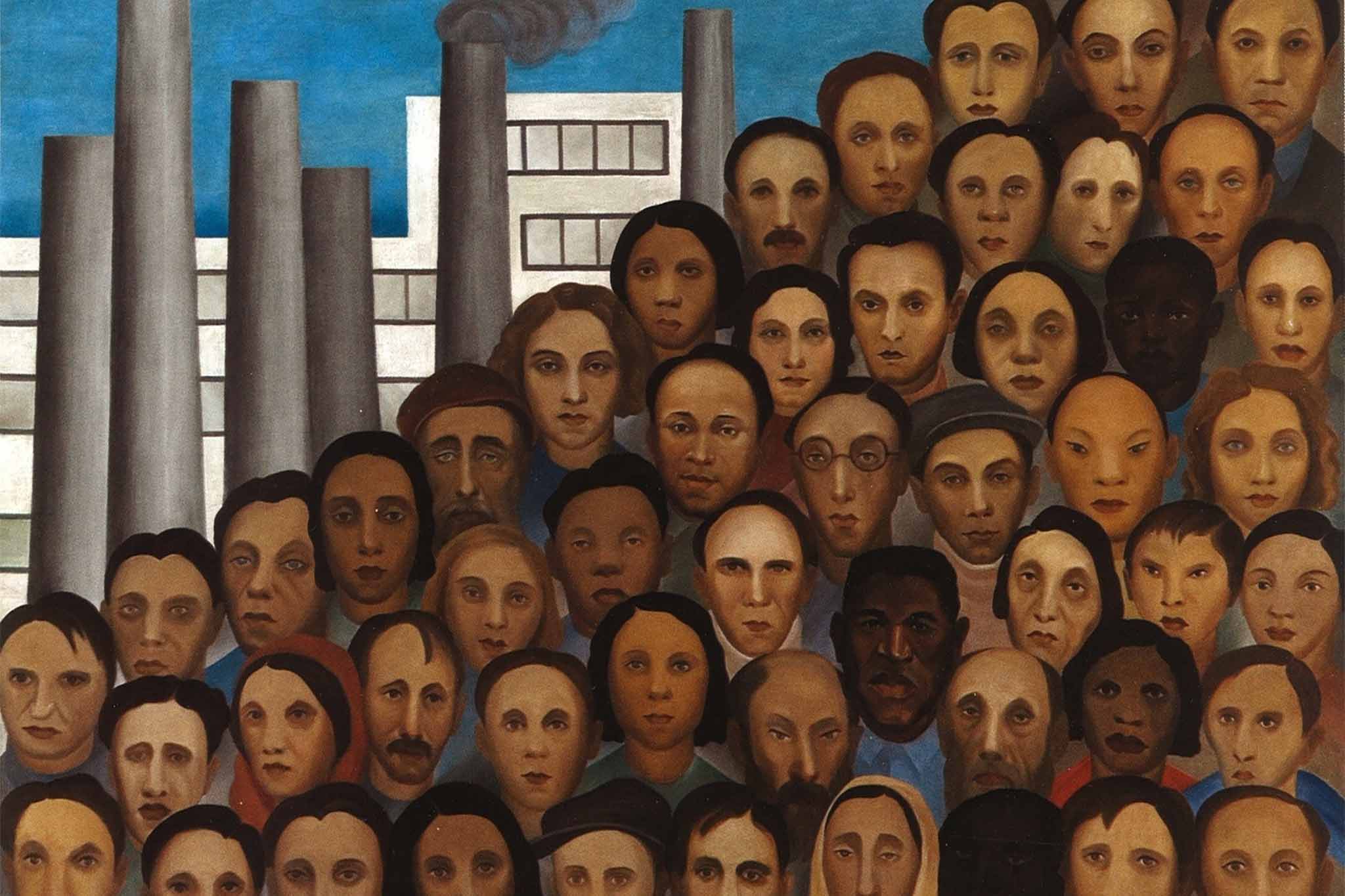
In Sigmund Freud’s psychoanalysis, we can find a deeper reason for disinterest in politics. In Civilization and Its Discontents (1930), the Viennese psychoanalyst writes about the methods by which human beings try to avoid suffering. One of them is precisely to give up social relations. That decision, however, drastically reduces the amount of satisfaction possible to the individual.
In other words, denying that the other exists does offer some degree of security against pain, while the pleasures brought by the other, accessible only when we recognize that the other is important, are limited.
Nature is a risk to human life — the warming of the planet and the imminent disappearance of some islands in Tonga bear this out. Science can help in that sense. Our bodies, destined for degeneration, are also a cause of difficulties. Science can help in that sense. But none of these sufferings, according to Freud, is greater than that caused by our contact with other people.
The practice of democracy, however, requires the other, requires deliberation. Science can help in that sense.


Comments
The conversation takes place on the Lab Digital 2050 forum. Read the comments below and click “Reply” to join in.