
‘Discontent’ was here before Freud; not everything becomes a post
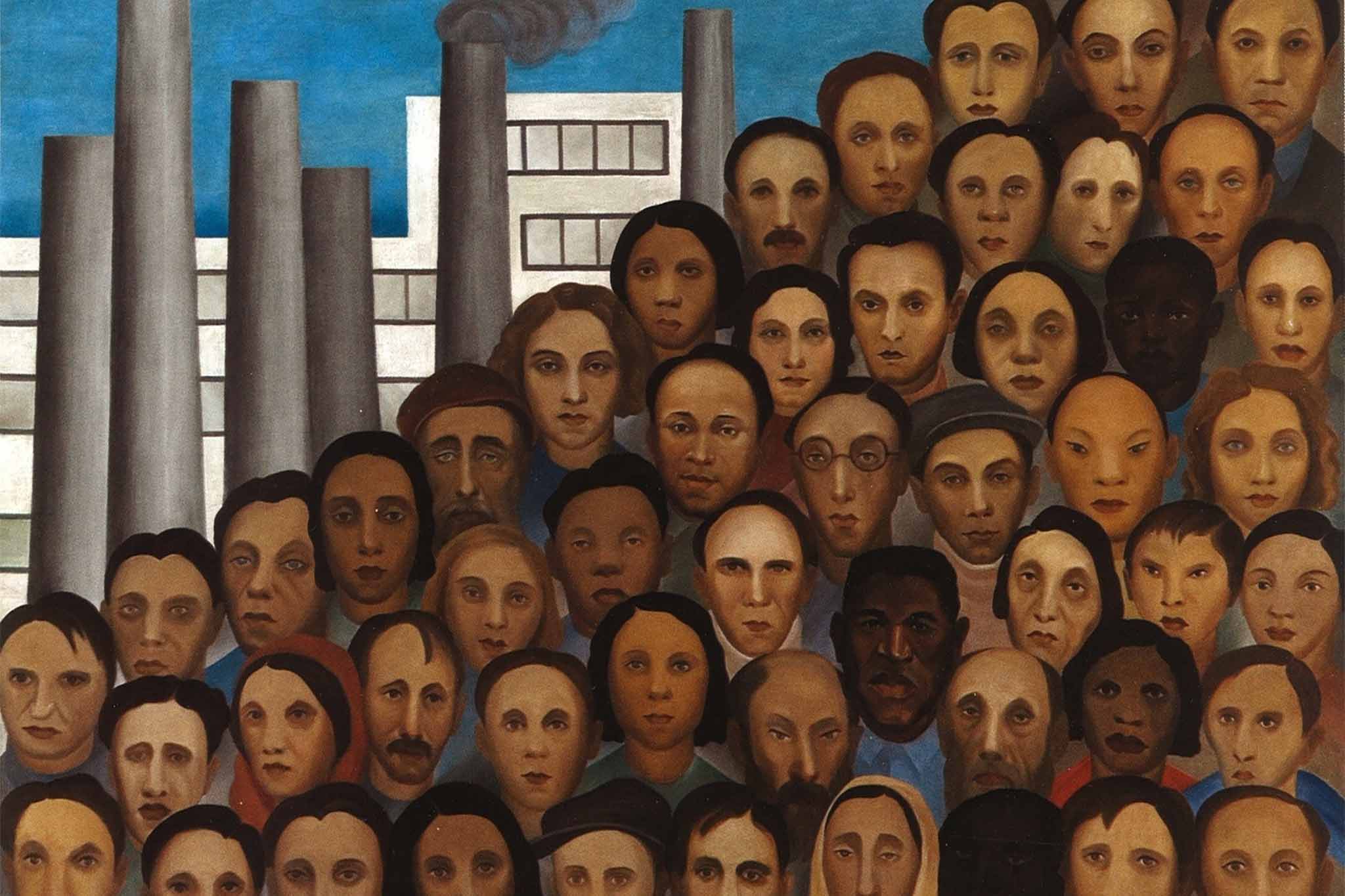
Sgarbe reflects on Freud, suggesting that discontent precedes theories and that not everything needs to become content.

In the first therapy I attended in my life, with psychologist and logotherapy professor Guilherme Falcão, I came to believe that “an approach to science can be very dangerous, while a deep dive into it is not.” I took that advice as truth.
I make this “opening” to argue that Freud and his unilateral, Viennese, Eurocentric, century-old view may sound strange when seen from afar. Deep down, I think psychoanalysis serves certain kinds of women and men as pornography and conspiracy serve others.
In Freudian literature I find an outline in words for things I had already discovered through my own experience. There is nothing new, “it does not surprise us at all,” as he likes to write. But it is, yes, a relief in a world that insists on simplification.
Speaking languages, clarity of speech, the journalistic lead, even startup pitches, all of this serves social communication, but not necessarily communication. I argue that for certain aspects of life, especially what is not published, a fair amount of repertoire is welcome.
Could Freud’s sourness in “Civilization and Its Discontents,” for example, generate discontent in the reader? Of course not. Believing that this kind of reading “gives bad ideas” is a bad idea. The fact is that it is a plural, rich library, able to undo any excesses.
Last week, a close friend told me not to give so much importance to what is defended not only by science but by rationalization as a whole. And that makes sense, because life can be a little more gelatinous, in the excellent sense of soft, sweet, colorful.


Comments
The conversation takes place on the Lab Digital 2050 forum. Read the comments below and click “Reply” to join in.