
Ignorant masses ruin Brasília; Ratinho and Barros diverge
While governor condemns violent acts in Brasília, deputy defends protesters’ motivations; see details.

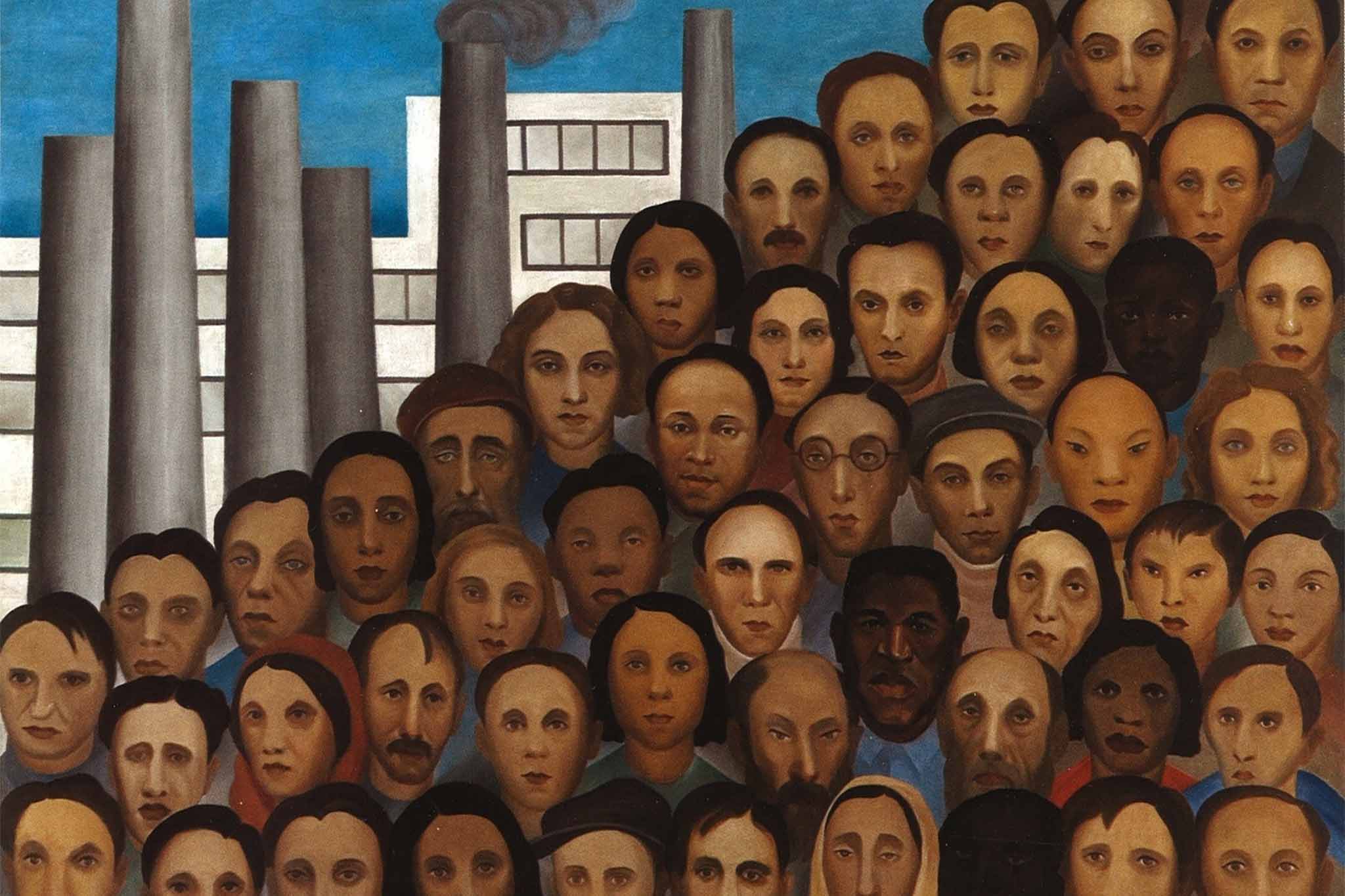
At 6:44 p.m. this Sunday (the 8th), it is cause for celebration that the headlines carry no death toll from the acts in Brasília. The seats of the Three Branches were occupied and damaged by people for whom the adjectives are numerous and imprecise. From the standpoint of basic politics, anarchists. From the standpoint of psychoanalysis, primitives, or ignorant masses. Be that as it may, no condition grants those people the noble titles of patriots or nationalists.
These ignorant masses are particularly hurt by the defeat they suffered at the polls, in a clear display of weakness. That is, the cognitive restriction operated by forces such as Protestant religious fundamentalism and the misery of political representation culminate in this sadness: “in the past, I was not heard, I had a president I loved, but he lost the election despite my unconditional support, that support cost me friendships and family relationships, I no longer have the energy to justify Bolsonaro’s flight to the United States, and I do not know what to do with my time.”
Given the facts about the omissions of the Federal District’s Security authorities, the attacks on police officers and journalists at work — with video records —, the calculated toll from damage to public property is something minimal to deal with. I argue that breaking glass is a lesser loss than people dead.
Above all, however, the damage is moral, and prior to the concept in legislation. It is damage to the core of what identifies us as rational beings, an attack on the primacy of reason. It is serious, and capillarized beyond Brazilian borders.
Not for everyone
Paraná State Secretary of Industry, Commerce and Services Ricardo Barros defended the acts. In a live interview on CNN, he argued as follows.
“The Superior Electoral Court, Justice Alexandre de Moraes, tried to impose credibility on the electronic voting machine. He made a TSE resolution forbidding criticism of the voting machine. He silenced lawmakers. He silenced several journalists who wanted to criticize. He did not convince society that the machine was reliable. If he had convinced society that the machine was reliable, and not imposed trust in the machines on society, we would not have these people, who are Brazilians, who are out there with their faces uncovered.”
Questioned by the journalist interviewing him, he was embarrassed on air. I consider her attitude professionally immature, since she should have had the perspective of one who interviews a career deputy who was Bolsonaro’s government leader.
Paraná Governor Ratinho Junior posted on Twitter that he condemns the acts.
Repudio profundamente os atos de violência e os distúrbios acontecidos hoje, no planalto e no STF, na capital do país. Acredito na democracia, em um Brasil unido, livre e em paz.
— @ratinho_jr (@ratinho_jr) January 8, 2023
Translation of the post: “I deeply condemn the acts of violence and the disturbances that took place today, in the Planalto and the Supreme Court, in the nation’s capital. I believe in democracy, in a united, free and peaceful Brazil.”
As for Paraná, it is not known whether the posture of apparent neutrality of Governor Ratinho Junior, recently praised by Archbishop Dom José Antonio Peruzzo in a video, will continue to be neutral or whether he will authorize Barros’s discourse.


Comments
The conversation takes place on the Lab Digital 2050 forum. Read the comments below and click “Reply” to join in.