
Reforming the people is authoritarian, and reforming elections is necessary
João Arruda defends political reform instead of trying to “reform the voter” and criticizes current electoral mechanisms.

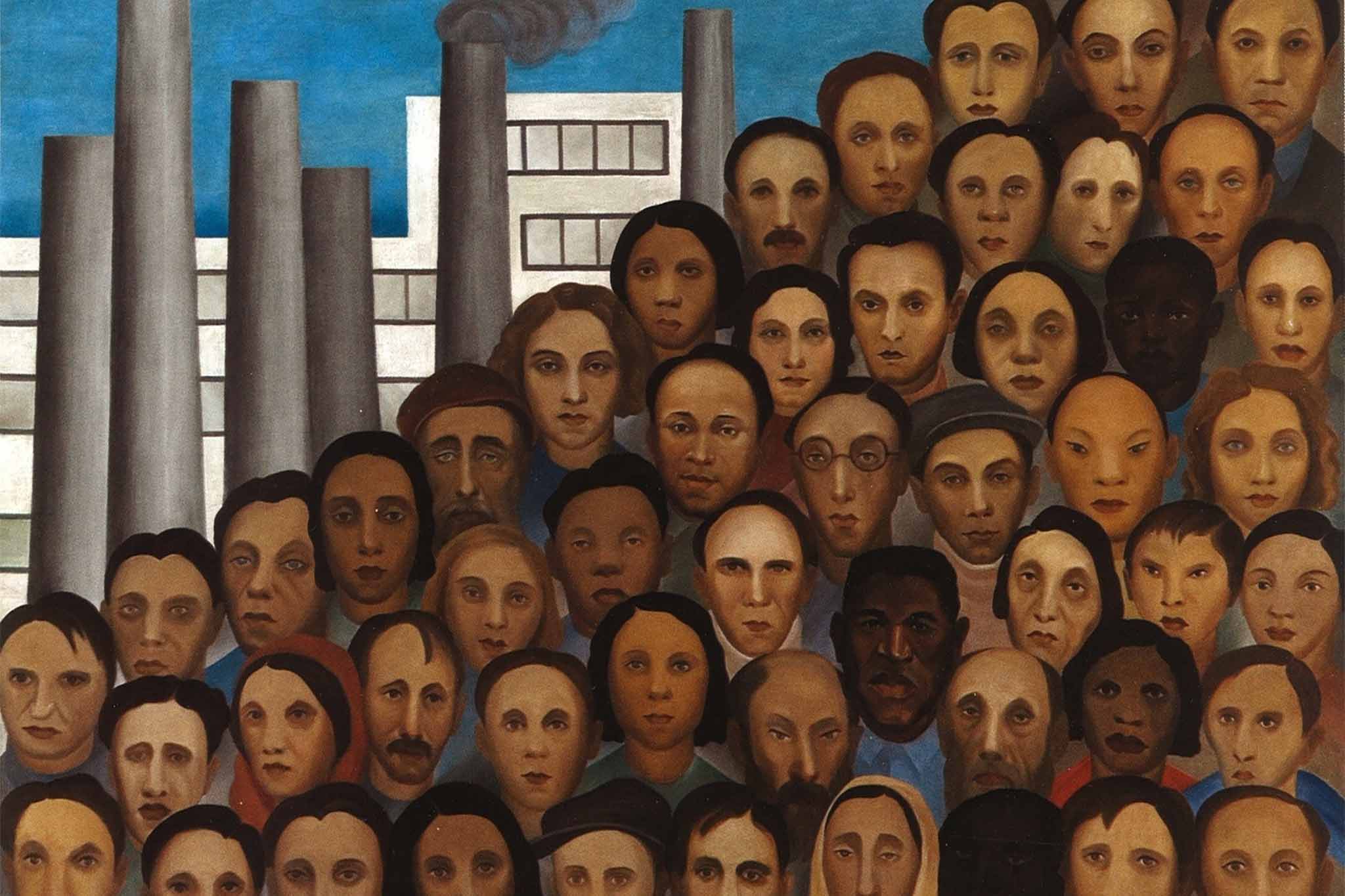
Sgarbe: João, we met talking badly about the MDB. We were both (are) members. Something that connected me to you was the capacity for self-criticism, which I have been calling “serene pessimism.” But I look at the candidates for the Chamber of Deputies and the Assembly, and I think so: they cannot even criticize themselves, let alone their own party, or national politics. Where have we gone wrong in the “selection” of people for public life? Does it not seem to you that the crowd is a bend in the river?
João Arruda: The problem lies in who chooses. Party leaders perpetuate themselves at the head of the parties, and, with control of the delegates and the electoral fund, it is practically impossible to remove them from power. It is a notary’s office! Today, a party president earns a good salary and exercises the role as a profession. They could take the opportunity to improve the quality of their cadres, train and form leaders capable of transforming the country, but that is not what happens in practice. Another problem is the population’s disinterest. What gives an electoral return? A good proposal or fake news on social media? A project or money? Ideals or popularity at any cost? Principles or a mayor on a leash? Without votes, the greatest cadre of world politics does not survive, and puts nothing of what he learned into practice. He will, at most, write and debate with friends and other cadres. Everything I wrote here, poor-quality leaders, challenges for the voter to pay more attention, is solved only one way: a radical, well-thought-out electoral reform, by plebiscite. Any reform approved in Congress will only benefit the senators and deputies who are already there, who want to stay forever.
Sgarbe: We have a lawyer acquaintance in common, but I forgot her name, who defends the “people’s reform.” A reform of the voter. I mentioned the subject in a group of journalists, and someone immediately said the idea is Bolsonaro’s. Well, we have finally arrived at a not-so-bad idea from the president. When I refer to the “people,” it has to do with a kind of change that cannot happen from one election to the next. In Italy, the first woman to govern the country is enamored of Mussolini. Supposing Mussolini had not killed approximately one million people, there should at least be some embarrassment in supporting a man who supposedly killed a million people. But there is none. When I think of your last paragraph, of the “caciques” who choose banners of sadistic entertainment to secure the seat, I conclude that politics is very full of “individuals,” of poorly resolved personal histories, of soul-pains clinging to revenge, to self-destruction, to pollution. When I am Brazil’s Supreme Leader, I will decree at least six months of therapy for candidates before candidacy registration.
João Arruda: There’s a lunatic for everything! The other day, my sister told me that whoever votes for Bolsonaro is a fascist, a racist, and does not like poor people. I asked her: “have you ever stopped to think that you are judged corrupt because you vote for Lula? Each person makes the choice they want, and finds their reasons to vote. Do you think there is bad intent when they do that, even when they vote for a crook?” I have been very disappointed in the past, but today I try to understand the reasons why someone votes for a scoundrel. Reforming the voter is more or less what some try to do. Perhaps Mussolini, Hitler and other dictators would think of an alternative like that. Or perhaps the most modern alternative would be “the cure of the voter who does not know how to vote,” something like Feliciano’s “gay cure” (a reference to the proposal associated with Pastor Marco Feliciano). But, investigating the reasons why a good person votes for someone no good, I come to the conclusion that the reform has to be electoral, not personal. It all has to do with access to information and knowledge, with internet bubbles (fake news), disclosure structures (campaign money), deviations in the constitutional responsibilities of those who hold office, press, polls, TV time, production of material, campaign length, reelection, and much more... Ah! But do you not speak of the voter’s empathy for the candidate? The voter-candidate relationship is built by the system, or rather, by the system’s errors. We will evolve, and have much more political awareness, when we truly take an interest. A decent system could even awaken more interest in politics. Meanwhile, we will continue with scoundrels exploiting others’ ignorance. Or do you think the vote of a person who lacks knowledge or is easily manipulated is worth less than the vote of the politicized intellectual? The debate is tough and we need to evolve, but accepting our flaws and acting with revolutionary actions.


Comments
The conversation takes place on the Lab Digital 2050 forum. Read the comments below and click “Reply” to join in.